

From Stress to Safety: Understanding Your Nervous System Through Breath, Burnout & Yin Yoga
A Deeper Understanding Begins

Over the past few months, I’ve been exploring burnout and the nervous system, and what started as an inner conversation about stress has slowly unfolded into something much deeper.
Over the last six years, and especially more recently, things have begun to make more sense. Connections are being made, between how I’ve felt, how I’ve responded, and what has been happening within my body all along.
It has become less about what we do, and more about how we live in our bodies, how we respond to life, how we hold experiences, and how we begin to find our way back to a sense of safety.
Understanding Burnout

Burnout is often described as exhaustion, but it’s more than simply feeling tired. It’s what can happen when the nervous system has been under pressure for too long, without enough space to recover.
Looking back over the last six years, I can see how this built slowly, layers of stress, responsibility, and pushing through, without taking the time to listen and fully understand what my body was trying to communicate.
When we are constantly thinking, doing, pushing, and holding everything together, the body adapts by staying in a heightened state of alert. Over time, this can leave us feeling wired yet exhausted, overwhelmed yet unable to stop, caught between needing rest and feeling like we can’t slow down.
It’s only now, with more awareness, that these patterns begin to make sense.
The Nervous System Basics
To understand this more deeply, it helps to come back to the basics of the nervous system.
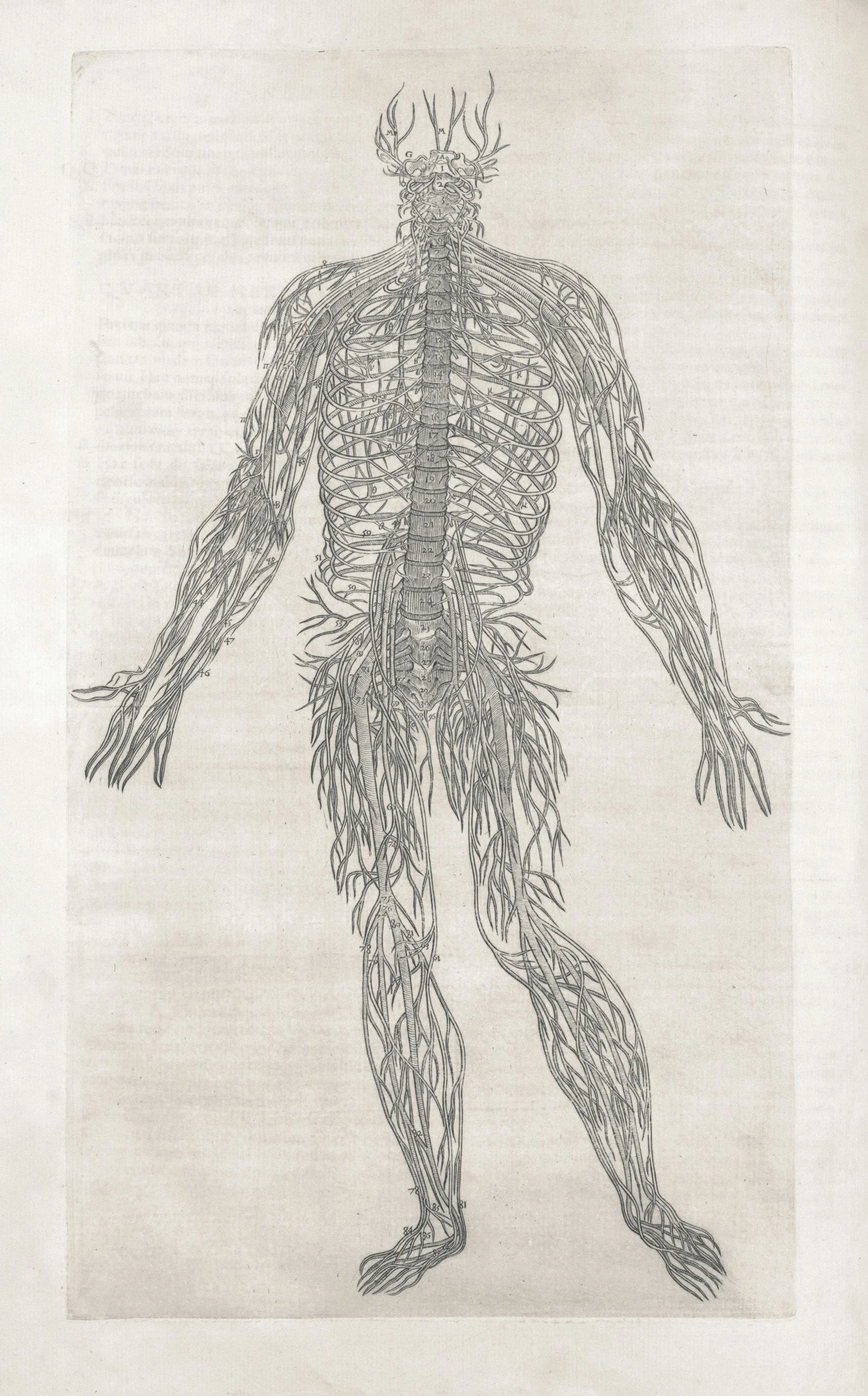
The nervous system is constantly responding to what’s happening around us and within us, moving between different states depending on what it perceives.
When we feel safe and supported, we move into what is often called a rest and digest state. This is where the body can restore, repair, digest, and function more efficiently. There is usually more clarity in the mind, more steadiness in the breath, and a greater sense of presence.
When something feels stressful or threatening, the body can shift into fight or flight. This might show up as anxiety, urgency, racing thoughts, irritability, or the need to keep going and doing.
If the stress continues and the system becomes overwhelmed, it may move into freeze, a state where energy drops, motivation disappears, and everything can feel like too much.
For some, there can also be a fawn response, where we try to keep the peace, please others, or override our own needs in order to feel safe.
A Shift in Perspective
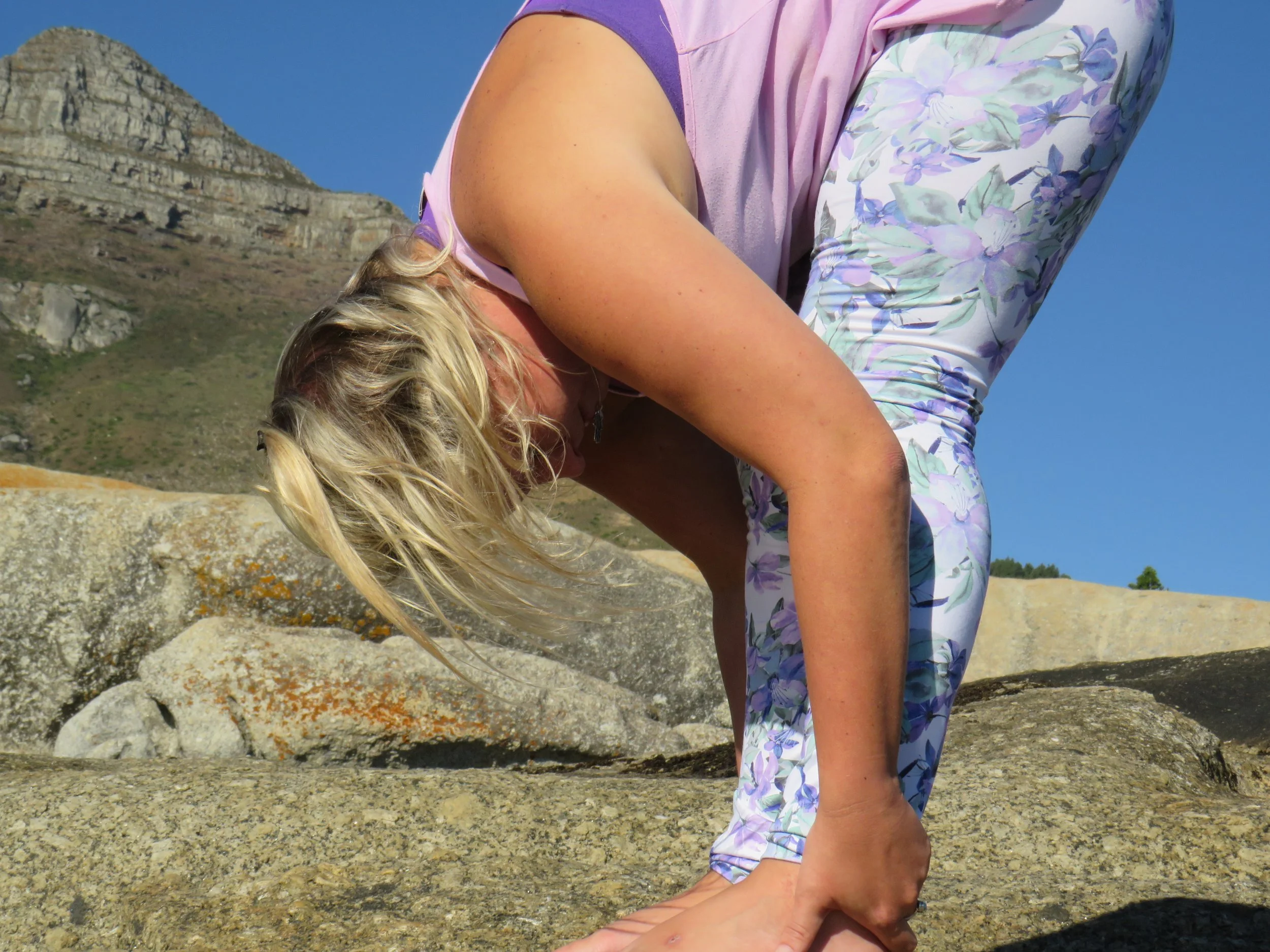
Over the last six years, I’ve come to understand that these responses weren’t random or personal flaws. They were my nervous system trying to cope, adapt, and protect me in the best way it knew how.
As more connections have been made, there has been a shift, from frustration and confusion, to a deeper sense of understanding.
This understanding has also shaped the way I now work with others. Through various trainings, I feel best fit working as an integrative mind-body coach and yoga teacher.
I’ve come to see how important it is to work with both the mind and the body, not just one or the other. Rather than trying to think our way out of stress or push through it, there is value in learning how to listen to the body, to understand its signals, and to respond in a way that supports the nervous system and the body’s range of systems.
Burnout & Feeling Stuck Between States
Over time, if the body remains in these states without enough recovery, burnout can begin to develop.
It can feel like being stuck between states, part of you still pushing and functioning, while another part feels shut down, exhausted, or disconnected.
This can be confusing, especially when you don’t feel like yourself. But again, looking back, it begins to make sense through the lens of the nervous system and feeling safe.
The Breath: A Place to Begin
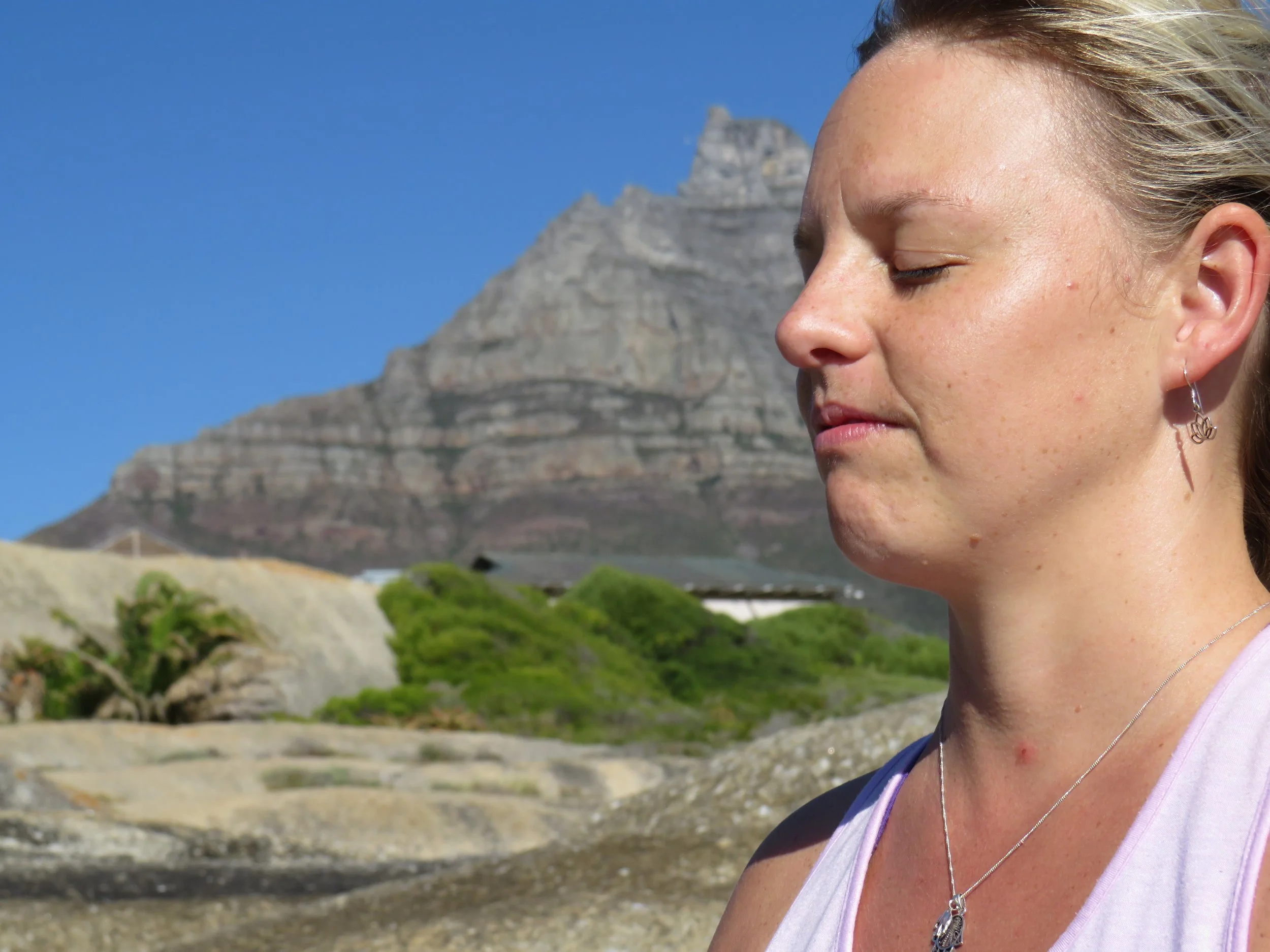
For me, this is where the breath became an important starting point.
The breath is one of the simplest ways we can begin to support the nervous system and other systems in the body. It is always with us, and the body is always communicating.
When breathing is short, shallow, or held, the body can interpret that as stress. When the breath begins to slow, especially when the exhale is longer, it can gently signal to the nervous system that it may be safe to soften.
The breath carries me into my body. It helps me notice what is actually there, where a muscle feels tight, knotted, or in a bunch, where something feels stuck, or even where sensations like pins and needles begin to arise.
Over time, I’ve begun to understand these sensations not as something to push away, but as information, messages from the body that are now starting to make more sense.
Instead of pushing past it, I breathe into that space, imagining the air moving there, creating room for release. This isn’t just about physical tension. It’s also a way of allowing the nervous system to begin settling, even if only slightly.
If you’d like something simple to follow, I have a gentle 4–6 breath practice (inhale for 4, exhale for 6) available in my yoga library that you can move through at your own pace, especially on days when things feel like a lot.
Yin Yoga: A Space to Slow Down
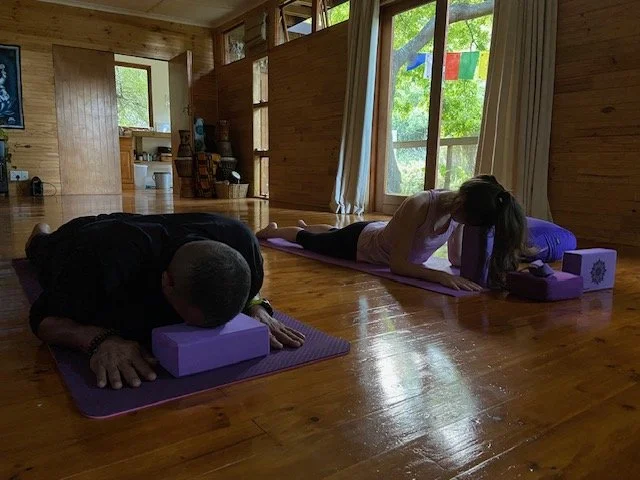
Alongside breath, yin yoga became a space where I could slow down further.
Yin yoga, for me, is more than the poses. When I’m in a pose, sometimes it feels easy, and sometimes it feels hard, just like life throws easys and hards at us.
The practice invites me to stay, to notice, and to be with what is there.
Through the longer holds, the body begins to reveal where it is holding tension. The breath supports me in staying present, in observing rather than reacting.
Over time, more connections have been made, between physical tension, emotional experiences, and the way my nervous system has responded to them.
There is a 20-minute yin yoga class for burnout recovery within the yoga library - a space to slow down, soften, and support your body and nervous system when you need it most. As you move through this practice, please remember to listen to your body and meet yourself where you are.
This class is here to support you, but it isn’t a replacement for medical advice. If you have any injuries or health concerns, it’s important to check in with a healthcare professional before starting.
There’s no need to push or force anything, gentle is enough. You can pause, adjust, or rest at any time.
Emotions in the Body
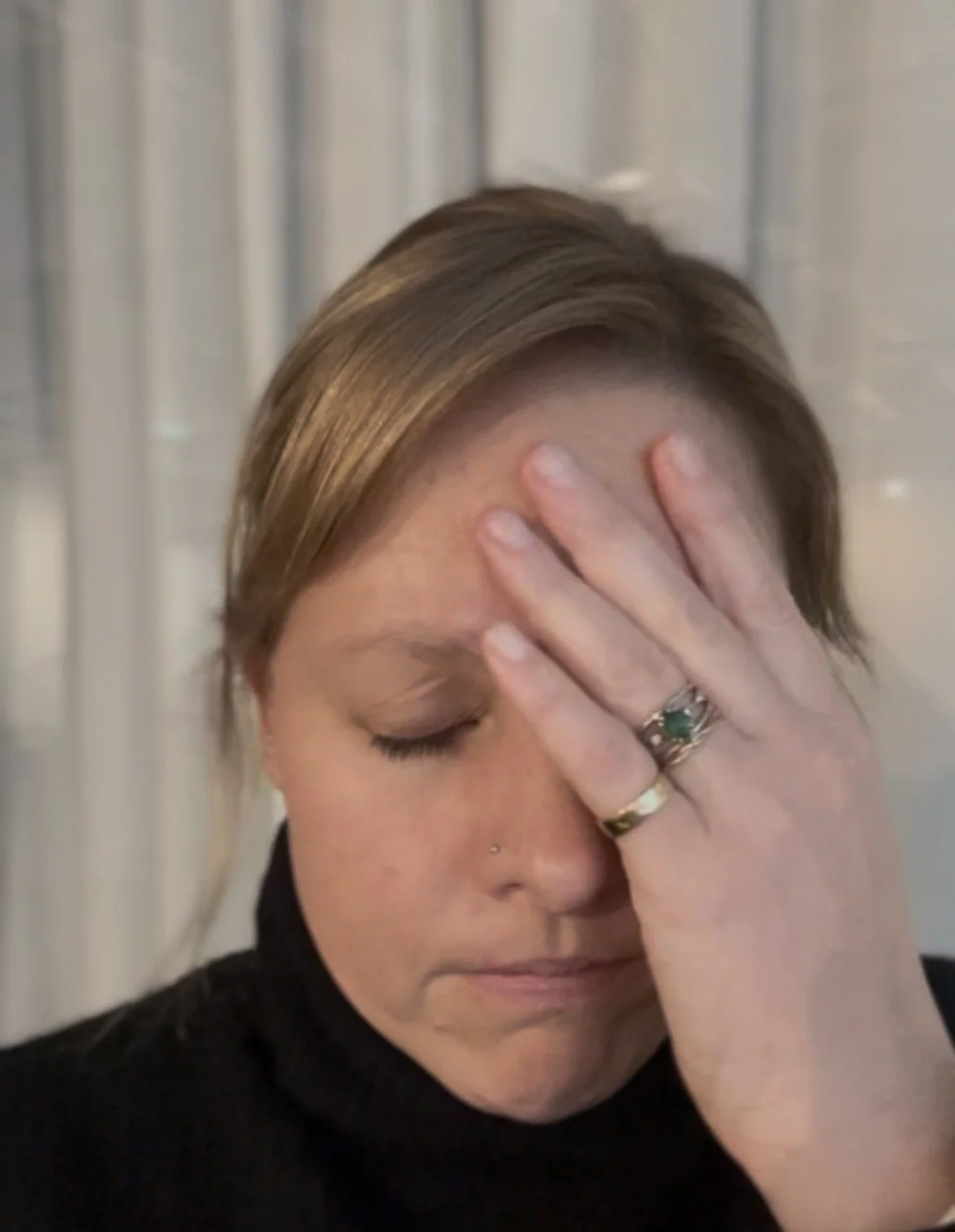
I believe emotion is energy in motion, and when we experience big emotions, the body often responds by tensing or bracing. When that happens, the energy can become stored or stuck. Yin yoga creates a space where that energy can begin to move, not through force, but through being present, witnessing, acknowledging, and soothing. The mat becomes a space where I can notice what is happening inside. Sometimes emotions flow. Sometimes they remain. Sometimes they feel unclear. And all of that is part of the practice. The more I’ve stayed with it, the more I’ve understood that nothing is random, there are connections being made all the time.
Supporting Others Through This Work
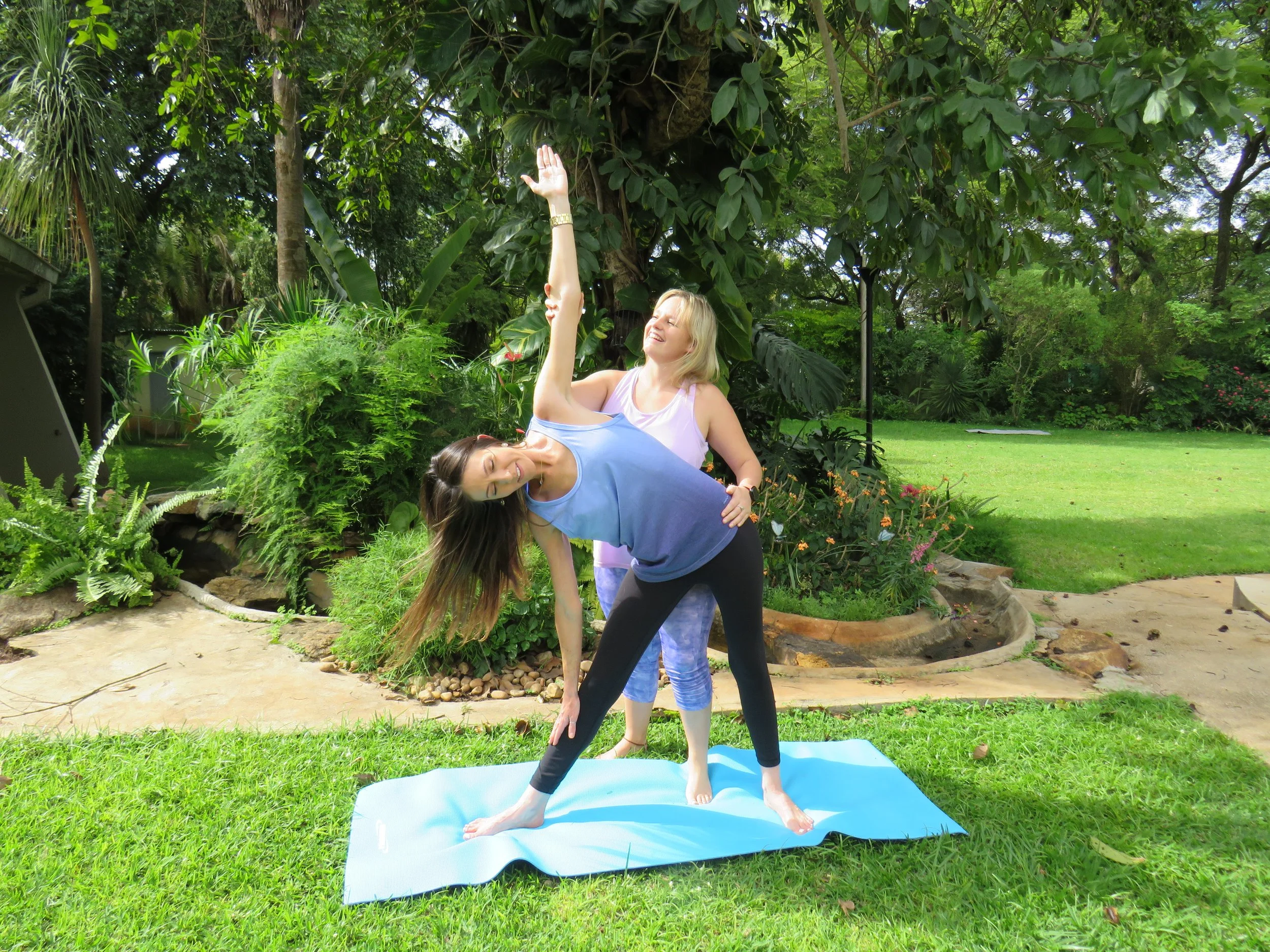
This has also influenced how I want to support others.
Not by offering quick fixes or pushing for change, but by creating spaces through coaching, breathwork, and yoga where people can begin to understand their own patterns, feel into their bodies, and gently build a sense of safety from within.
The Mat as a Reflection of Life

Over time, I have come to see the mat as a reflection of the outside world. The way I respond in a pose, whether I resist, soften, avoid, or stay, often mirrors how I respond to life. Through awareness, these patterns begin to reveal themselves. Shift the inner, and the outer begins to shift. Shift the outer, and the inner responds.
Consistency Over Perfection
Practices like breathwork and yin yoga support the nervous system not because they are done once, but because they are returned to consistently. Just as stressors and triggers show up in daily life, these small moments of support can also become part of daily life. And over time, those small moments begin to add up. And it’s important to say, this doesn’t have to be perfect. There have been times where I didn’t want to do the practices. Times where I stopped for a while. Times where things felt too much. But even in that, there has been learning. Because each time I came back, more understanding, more connection, and more awareness followed.
You can always come back.
And each time you come back, whether it’s to your breath, your body, or the mat, you are supporting your nervous system and all systems in your body in a small but meaningful way.
A Gentle Way Forward
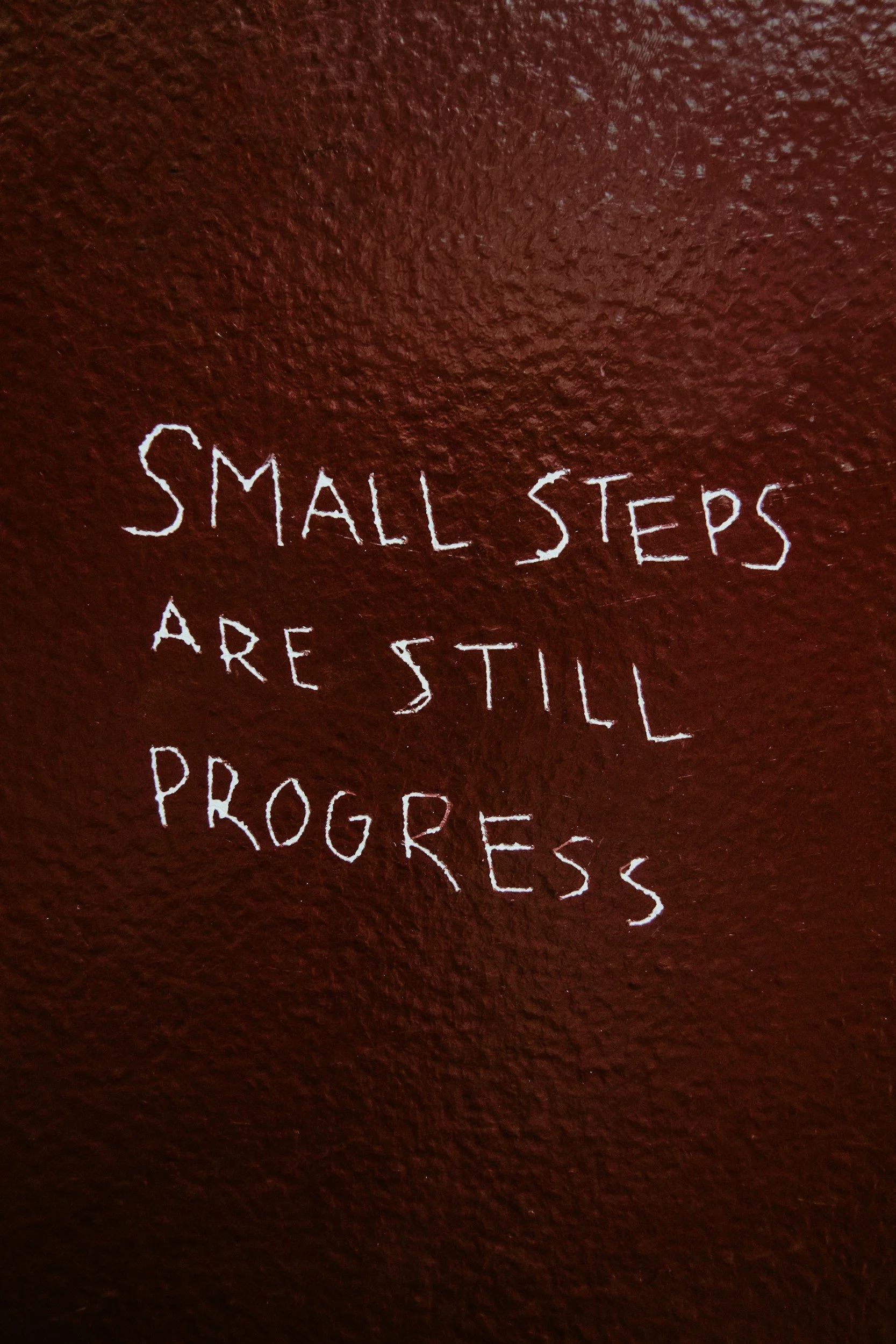
Over time, these small, consistent steps can help the body feel safer, the mind feel clearer, and emotions feel more manageable. Not all at once, and not in a straight line, but gradually. And as that happens, more begins to make sense. If things feel overwhelming right now, there is no need to change everything at once. It can begin with something simple: - a breath, - a pause, - a moment of noticing. And within that moment, there is already the beginning of a shift.
An Invitation
If you’re feeling called to explore this more deeply, I offer spaces through integrative mind-body coaching, breathwork, and gentle yoga where you can begin to understand your nervous system, reconnect with your body, and gently support yourself through stress, overwhelm, or burnout. There’s no pressure, just an invitation to begin, or continue, your own process.
Feel free to reach out if you have questions:www.lorenjenna.com
Coming Soon
I’m currently creating a gentle guide that brings these ideas together - understanding your nervous system, burnout, breath, and gentle yoga in a way that’s simple and supportive. Something you can come back to, just like the practices themselves.
Keep following… it’s coming soon.
